
Best Instant Cameras of 2025: Instax vs Polaroid
This post may contain affiliate links so we may receive compensation if you sign up for or purchase products linked to below. As an Amazon Associate, I can earn from qualifying purchases.
Best Instant Cameras of 2025: Instax vs Polaroid
I have been a film enthusiast for years now, and I am obsessed with simple, instant cameras that give you that instant gratification that we all crave. I think there are so many new features in these instant cameras that I decided to review 4 of the best in 2025 on the market. I have purchased each of these cameras (Instax Mini Liplay, Instax Square SQ6, Polaroid Now+ Gen 2, and the Instax Wide 400) myself to create an honest and unbiased review. Some of the links in this post are affiliate links, and I earn if you purchase after clicking one- which allows me to continue to create blog posts like this.
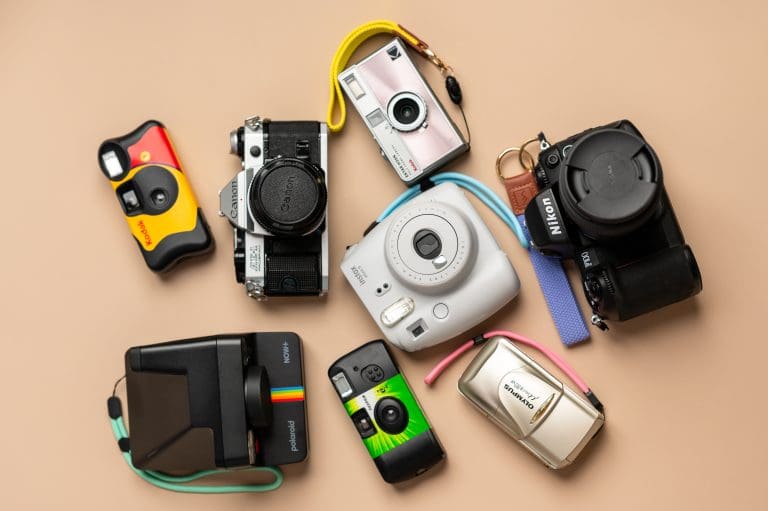
When it comes to instant cameras, the market offers a wide variety of options that fit all kinds of needs. As a photographer, I am looking for something easy to use, has excellent image quality, accurate color, as well as some fun features that make them exciting to use. Four standout models are the Instax LiPlay, Instax SQ6, Instax Wide 400, and Polaroid Now+ Gen 2. Each has its unique features, benefits, and drawbacks. Let’s dive into a detailed comparison to help you determine which one might be the best fit for you and which one I personally like the best.
One of the ways I did this was to take the same photos with each camera to show you how they printed each one differently. Each of these cameras translates colors differently and has different styles. You can see how each of these deal with colors, compare image sizes, and see real-world applications of the photographs. See what you like best and pick your favorite!

Instax Mini LiPlay
The Fujifilm Instax Mini LiPlay is a hybrid instant camera that combines the best of both worlds: digital photography and instant printing. This compact and lightweight device offers impressive versatility and a modern approach to instant photography. It stands out for its ability to bridge the gap between digital and analog photography, making it a popular choice for tech-savvy users. I found this camera to be very portable and with good printed image quality. The digital camera quality is nothing to write home about, but it does the job adequately. It is really fun to watch the images come up as they print- the user experience here is excellent.
Benefits:
-
Digital Features: The LiPlay lets you preview your photos on its small LCD screen before printing, reducing the chances of wasting film on shots you don’t like. This feature also enables you to reprint photos multiple times. There is also a spot for a micro SD card to save the digital images permanently as well as an internal memory.
-
Compact Design: Its sleek and lightweight build makes it highly portable and perfect for on-the-go use. It easily fits into small bags or even large pockets. It is also a beautiful color and just looks cool.
-
Sound Capturing: One standout feature is the ability to record short audio clips and embed them in your photos via a QR code. Scanning the code plays the audio, adding an interactive element to your memories and making it a unique gift option.
-
Customizable Frames: Before printing, you can add fun frames and filters to your images. This feature allows you to personalize each photo and experiment with creative designs.
-
Remote Shooting: The LiPlay pairs with your smartphone via Bluetooth, allowing you to use your phone as a remote shutter. Remote shooting is great for group photos or selfies.
-
Affordable Entry Point: Compared to other hybrid cameras, the LiPlay is priced reasonably, making it accessible for users new to instant photography.
-
Selfie Mirror: Like most Instax cameras, the LiPlay has a mirror on the front for easy selfies.
Drawbacks:
-
Small Prints: The LiPlay uses Instax Mini film to produce small, credit card-sized prints, which might not appeal to those looking for larger photos. While charming, the small size limits the level of detail visible in photos.
-
Screen Size: While functional, the LCD screen is relatively small and less sharp than modern smartphone displays. This can make it harder to assess finer details in your shots.
-
Price of Film: As with all instant cameras, film packs can be costly over time, especially if you print often. Each print adds up quickly, so your budget for consumables is worth considering.
Best For:
The LiPlay is ideal for users who value portability, digital previewing, and additional creative features like audio embedding. It’s perfect for people who want an instant camera with a tech-forward twist with great style!

Instax Square SQ6
The Fujifilm Instax Square SQ 6 is a square-format analog instant camera that offers a more traditional instant photography experience. It’s an excellent option for those who love the vintage aesthetic of square photos and want a simple, straightforward camera. The prints are a bit smaller than a Polaroid (2.44 x 2.44 inches vs 3.1 x 3.1 inches), but the camera size is much smaller than a Polaroid- making it super portable. It has a ton of creative features that allow you to customize your images- including self timer, double exposures, color filters, macro mode, portrait mode, and more.
Benefits:
-
Square Format: The Instax Square film offers larger prints than the Mini film, providing more room for your images to shine. I love the bigger prints that his camera creates. This format is particularly well-suited for portraits and artistic compositions.
-
Stylish Design: The SQ6 is sleek and modern, available in various attractive colors. It has three metallic finish colors and is small enough to fit in your purse.
-
Simplicity: Its straightforward analog design makes it easy to use, even for beginners. You simply point, shoot, and print without worrying about settings or digital menus.
-
Creative Modes: Features like Double Exposure Mode and Color Filters (included with the camera) allow for artistic experimentation. These modes make it a great choice for users who enjoy exploring creative possibilities.
-
Reliability: As an analog camera, the SQ6 is less prone to technical glitches and does not rely on a smartphone app or complex software to operate. The settings are directly on the back, and you choose which to use by clicking a button. I adore the double exposure setting for creative self-portraits.
Drawbacks:
-
No Digital Preview: As an analog camera, you can’t preview your shots before printing, which can lead to wasted film. Users must carefully compose each shot to avoid disappointing results, and it definitely takes practice to get the shots you want.
-
Limited Controls: While simple, the camera lacks advanced settings, which might frustrate more experienced photographers who want greater control over exposure and focus.
-
Battery Dependency: It uses CR2 batteries, which aren’t as convenient to replace as AA or rechargeable batteries—it’s a shame it doesn’t use rechargeable batteries. You may need to keep extras on hand to avoid interruptions, although I have been using the camera for a while, and it is still on its first set without replacement.
Best For:
The SQ6 is perfect for those who love the charm of analog photography and the aesthetic of square prints. It’s ideal for casual photographers and creative individuals who enjoy the tangible nature of instant prints and also a bit more creative freedom.

Instax Wide 400
The Fujifilm Instax Wide 400 stands out for its large format prints, making it a favorite for group photos and landscape shots. It’s a bulky camera but delivers on impact with its wide prints, which are double the size of Mini prints. It also takes batteries and I really wish it was rechargeable and is definitely a large camera. It looks really cool, though, and it has a lot of charm. It does not have the creative options that the other cameras have. It does take a large photo which is the best part about it.
Benefits:
-
Large Prints: The Instax Wide film is significantly bigger than both Mini and Square films, giving your photos more presence and detail. The larger format is ideal for displaying intricate scenes and capturing more subjects. They look way more compelling when displayed on the wall.
-
Great for Groups: The larger format is ideal for capturing group shots or wide scenes. It’s particularly useful for events, parties, and travel photography.
-
Straightforward Operation: The camera is simple to use, making it accessible to beginners. Its limited number of controls streamlines the shooting process.
-
Affordability: Despite its large format, the camera is reasonably priced compared to other models. This makes it an attractive option for those who want big prints without breaking the bank.
-
Durable Build: The Wide 400 feels sturdy and reliable, making it a good choice for users who plan to take it on adventures.
Drawbacks:
-
Bulkiness: Its large size and weight make it less portable and more cumbersome to carry around. It’s not the best choice for casual outings or travel.
-
Lack of Advanced Features: The Wide 400 doesn’t offer creative modes or digital enhancements, limiting its versatility. Users seeking artistic options might find it restrictive.
-
Film Cost: Film refills of the wide film is more expensive than Mini or Square film, which adds to the cost of ownership. The larger prints are impressive but come at a premium.
Best For:
The Wide 400 is ideal for those who prioritize large prints and enjoy capturing group photos or landscapes. It’s a solid choice for photographers who value simplicity and impact.

Polaroid Now+ Gen 2
The Polaroid Now+ Gen 2 is a modern take on the classic Polaroid instant film camera, combining analog charm with contemporary features. It’s designed for those who want to blend nostalgia with creativity and enjoy the tactile experience of instant photography. This Polaroid has so many amazing features that I actually get excited to use it because it is a camera that can push creative boundaries. It is a smart camera that works with an app- without it, there are not a ton of options other than a point and shoot. BUT with the app, there are TONS of options for creating. This camera has double exposures and long exposures; you can change the aperture; it has a portrait mode, light painting mode, and full manual mode, where you can control the aperture, shutter speed, focus distance, and how many exposures you take on a single film frame. It has a light meter that you can see so you can control your exposure compensation and make calculated decisions on your images. Now, the Polaroid film will have all kinds of scratches and distortions you can’t control, but that is the charm of Polaroid- just embrace it. One of my favorite parts are the colored filters that you can put over the lens to add color and interest to your images.
Benefits:
-
Iconic Design: The Now+ retains the classic Polaroid aesthetic while incorporating modern technology. Its design appeals to those who appreciate vintage style (but with modern improvements).
-
App Connectivity: The app connects to your smartphone via Bluetooth, unlocking advanced features like manual controls, light painting, and double exposure. It provides creative tools for photographers seeking more flexibility and creative control over their images, and it works well every time I use it.
-
Rechargeable Battery: The built-in rechargeable battery is more convenient and eco-friendly than disposable ones. It’s easy to charge via USB, reducing waste and long-term costs.
-
Large Prints: Polaroid’s iconic square prints are more significant than Instax’s Square film, which has a classic look all its own. The prints’ distinctive white border adds to their classic appeal.
-
Lens Filters: The included lens filters add creative lens effects and flexibility to your shots, allowing you to experiment with different colors and moods.
-
Build Quality: It has a solid, portable build that isn’t too large and has a decent battery life.
Drawbacks:
-
Slow Printing: Polaroid film takes a few minutes to develop, which might feel sluggish compared to Instax’s quicker development time. Patience is required to see the final result.
-
Cost: Both the camera and film are on the pricier side. This can be a barrier for budget-conscious buyers but I still think the camera is offered at a reasonable price.
-
Learning Curve: The advanced features might feel overwhelming to beginners. Users need to spend time exploring the app and settings to make the most of its capabilities. As you learn, you are just thinking about how much each print costs; however, when you get a good one, it’s an amazing feeling.
Best For:
The Now+ Gen 2 is great for creative photographers who want to experiment with manual controls and artistic techniques while enjoying the Polaroid aesthetic. It’s perfect for those who value style and creative potential.
Comparison Chart
| Feature | Instax LiPlay | Instax SQ6 | Instax Wide 400 | Polaroid Now+ Gen 2 |
|---|---|---|---|---|
| Print Size | Mini (Small) | Square (Medium) | Wide (Large) | Polaroid (Large) |
| Digital Preview | Yes | No | No | No |
| Portability | High | Medium | Low | Medium |
| Creative Features | High | Medium | Low | High |
| Film Cost | Moderate | Moderate | High | High |
| Price of Camera | Moderate | Moderate | Affordable | High |
| Battery | Built-in Rechargeable | CR2 Batteries | AA Batteries | Rechargeable |

The Winner
Choosing a winner depends on your priorities, but overall, the Polaroid Now+ Gen 2 is my top pick and it stands out for its combination of creative features, iconic design, and large prints. While it’s more expensive and has a slight learning curve, it’s the best choice for those who value versatility and want a modern instant camera with artistic potential.
For those who prefer a more compact and hybrid option, the Instax Mini LiPlay is a close second, thanks to its portability and digital preview capabilities. The Instax Wide 400 is your best bet if you prioritize large prints. For traditional analog enthusiasts, the Instax Square SQ6 offers a classic instant photography experience with several great creative filters that can take your photographs to the next level.
Ultimately, each camera has its charm, and the right choice will depend on your specific needs and how you plan to use your instant camera.




Thanks for the great comparison post. So far i like my old instax mini more than my ‘return’ to polaroid with this new now+3. in your post, i noticed small area of white lines in upper corner of your polaroid now pictures. I have had this in the 2nd,3rd,4th photo taken by the camera i just bought from costco. 1st picture had a unexposed blob in this corner. I found one reddit post about “rough handling” can cause this but it is not one of the errors on the polaroid site. Do you recall if this corrected itself? i have 3 boxes of film to go throgh before I buy a ‘new batch’.
I have found those on so many of my Polaroid prints that I have given up and just accepted it as part of the charm to be honest. I do think it changes from box to box though. I recommend storing them in the fridge though- it does seem to increase their shelf life and they last longer! I’m not particularly rough with my film, but not super gentile either. Hope this helps a bit.